Priced at Pennies, Prescribed by the Millions: How Generic Azithromycin Reshaped the American Prescription Landscape
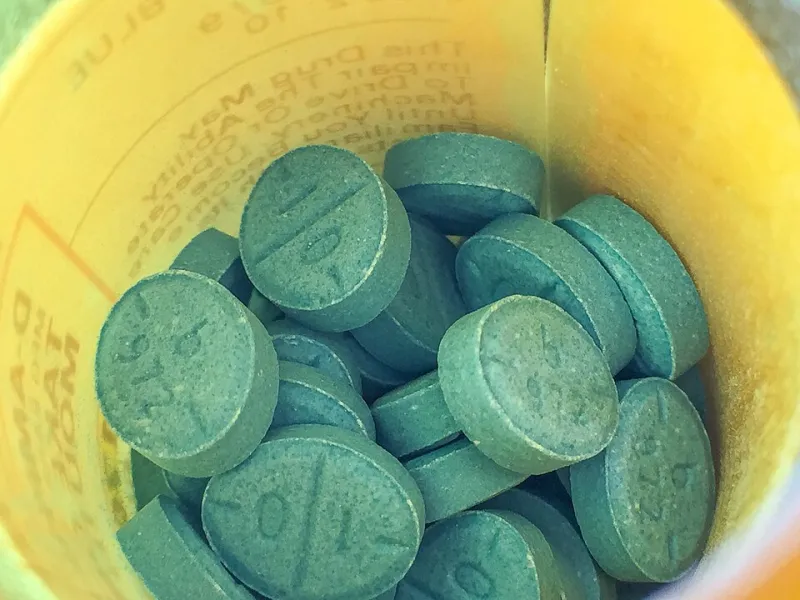
Photo: Tony Webster from Minneapolis, Minnesota, United States, CC BY 2.0, via Wikimedia Commons
Few medications illustrate the paradox of generic drug pricing quite like azithromycin. Once a branded premium product, the Z-Pak now routinely appears on $4 generic formulary lists at major US retail chains, and discount card programs frequently price a complete course at less than the cost of a cup of coffee. For patients without insurance, this is a genuine benefit. For antibiotic stewards, it raises an uncomfortable question: when cost is no barrier at all, what restrains inappropriate use?
The Economics of Ubiquity
Azithromycin's patent expired in the mid-2000s, and competition among generic manufacturers has since driven the price of a standard five-day course to single digits in most US markets. Chain pharmacies use it as a loss leader; telehealth platforms bundle it into flat-fee consultations because the medication itself barely affects their margins.
The clinical consequence is that price sensitivity — historically one of the few friction points in antibiotic dispensing — has effectively disappeared. A clinician who might hesitate to prescribe a costlier agent without a firm bacterial diagnosis faces no such hesitation with azithromycin. The prescription becomes the path of least resistance, clinically and financially.
Does Cheap Access Drive Inappropriate Use?
Surveillance data from the CDC and peer-reviewed prescribing analyses have consistently shown that a large share of azithromycin prescriptions in ambulatory care are written for conditions — acute bronchitis, uncomplicated viral upper respiratory infections — where the drug provides no benefit. While multiple forces drive this overuse, the near-zero out-of-pocket cost removes one of the last practical checks on casual prescribing.
Cash-pay telemedicine intensifies the dynamic. When a patient pays a flat consultation fee and expects a prescription as the deliverable, the economic incentive structure quietly favors writing something. Azithromycin's low cost makes it the easiest something to write.
The Stewardship Counterargument
It would be a mistake to frame affordability as inherently harmful. For patients with legitimate macrolide indications — atypical pneumonia coverage, sexually transmitted infections such as chlamydia, or beta-lactam allergies — the low price removes a real adherence barrier. Cost-related nonadherence is well documented in US ambulatory care; azithromycin's price point largely eliminates it.
The stewardship challenge, then, is not to make the drug more expensive but to preserve the diagnostic rigor that low cost can erode.
Practical Recommendations for Clinicians
- Anchor the prescription to a documented indication. In cash-pay and telehealth encounters, chart the specific bacterial diagnosis or evidence-based rationale. If the rationale cannot be written down, the prescription should not be written.
- Use delayed prescribing where appropriate. For borderline cases such as acute sinusitis, a wait-and-see instruction with a prescription the patient can fill only if symptoms persist preserves access while reducing immediate consumption.
- Leverage the price point in patient education. Patients often equate cost with value. Explaining that an inexpensive antibiotic is still an antibiotic — with real risks of resistance, interactions, and cardiac effects — reframes the conversation.
- Audit telehealth referrals. Health systems receiving telemedicine-generated prescriptions should track azithromycin prescribing rates against diagnosis codes as a stewardship quality measure.
The Bottom Line
Generic azithromycin is a public health asset that stewardship programs must manage rather than lament. The $4 price tag is not the problem; the diagnostic shortcuts it enables are. Clinicians who treat low cost as irrelevant to prescribing decisions — rather than as a substitute for them — will keep this inexpensive workhorse working for the patients who actually need it.