Whooping Cough Season: A 2026 Operational Playbook for Pertussis Treatment and Household Prophylaxis

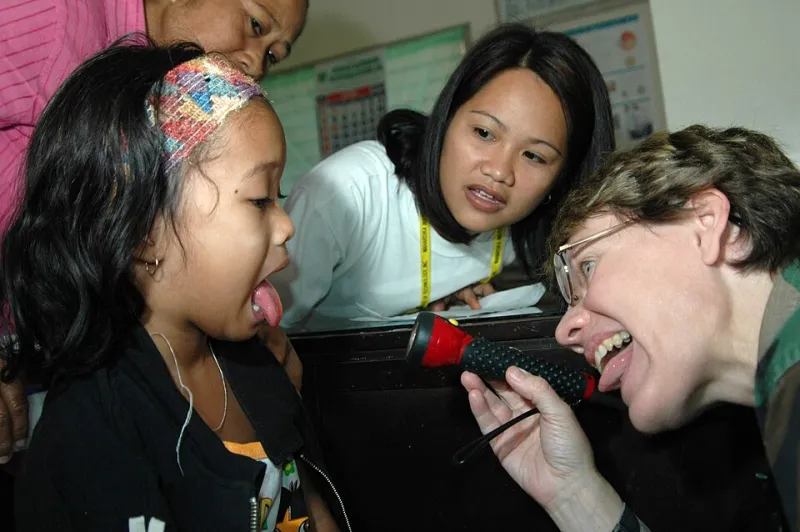
Photo: pediatrician examining coughing child with parent in exam room, via i.etsystatic.com
Pertussis has a way of reasserting itself. After a decade of declining counts, the United States recorded a sharp resurgence beginning in 2024, with case totals reaching the highest annual levels seen in roughly a decade. The pattern has continued into subsequent seasons, and emergency departments, pediatric practices, and student health centers are again fielding the familiar triad: a cough that will not resolve, a family that wants answers, and a school that wants a return date. Azithromycin remains the treatment of choice, which means the operational details matter more than the pharmacology.
Reading the Illness Before the Whoop Arrives
The catarrhal phase is indistinguishable from a common cold, and by the time the paroxysmal phase declares itself the patient has often been infectious for a week or more. Useful clinical anchors:
- Paroxysms of coughing followed by an inspiratory whoop, though the whoop is frequently absent in adults and in infants younger than six months
- Post-tussive emesis, particularly in children
- Apnea, cyanosis, or bradycardia in infants — sometimes with no cough at all
- A cough lasting more than two weeks without fever, in an adolescent or adult with a known exposure
Diagnostically, polymerase chain reaction on a nasopharyngeal specimen is the practical first-line test, with culture adding value for public health surveillance and for antimicrobial susceptibility. Sensitivity falls as the cough ages; testing beyond three to four weeks of illness has limited yield. Do not delay treatment for results in a patient with a compatible clinical picture, particularly an infant.
Regimens by Age and Weight
Azithromycin is preferred at every age, including in neonates, because it carries the most favorable adverse-effect profile of the macrolides and allows once-daily dosing.
- Infants younger than 6 months: azithromycin 10 mg per kg once daily for 5 days. For neonates in the first weeks of life, involve pediatric infectious disease or the health department where feasible.
- Children 6 months and older: azithromycin 10 mg per kg on day 1 (maximum 500 mg), then 5 mg per kg on days 2 through 5 (maximum 250 mg).
- Adults: azithromycin 500 mg on day 1, then 250 mg on days 2 through 5.
- Alternatives: clarithromycin 15 mg per kg per day divided twice daily for 7 days (maximum 1 g per day) is the principal substitute in children. Trimethoprim-sulfamethoxazole is reserved for patients older than 2 months in whom macrolides cannot be used. Erythromycin is no longer a preferred option.
Treatment is most effective when started in the catarrhal phase, but it should still be offered later: it shortens the infectious period and may reduce symptom severity. Beyond three weeks of cough, antimicrobials provide no meaningful benefit and are generally not indicated.
The Neonatal Pyloric Stenosis Conversation
Azithromycin exposure in early infancy has been associated with infantile hypertrophic pyloric stenosis, with risk apparently greatest in the first weeks of life and with higher-dose or prolonged courses. The absolute risk is low and the benefit of treating pertussis in a young infant is substantial — apnea in this age group is not a theoretical concern. The correct response is not avoidance but counseling. Tell parents explicitly what to watch for: projectile vomiting, poor feeding, weight loss, decreased wet diapers, or persistent irritability after feeds. Ask them to call the same day rather than at the next well visit.
Postexposure Prophylaxis: Eligibility Without Delay
Prophylaxis should be offered to household contacts of a confirmed or probable case regardless of vaccination status, and to other close contacts who are at high risk of severe illness or who will have contact with someone at high risk. High-risk categories include infants younger than 1 year, pregnant women especially in the third trimester, immunocompromised persons, and people with moderate to severe asthma.
The prophylaxis window is generally within 21 days of the index patient's cough onset. Dosing mirrors treatment exactly. Do not wait for nasopharyngeal results to begin prophylaxis in a household with a newborn, and do not treat vaccination status as a reason to withhold prophylaxis — prior vaccination does not eliminate transmission risk. When contacts are overdue for Tdap, updating vaccination is appropriate but is not a substitute for chemoprophylaxis.
Managing the Household
Household attack rates for pertussis are high, and the practical work is often administrative as much as medical. A few habits reduce friction:
- Prescribe for the whole household at the first visit if exposure is clear; sequential visits from each family member consume clinic capacity and delay protection.
- Provide a single written schedule with ages and doses filled in, because five-day regimens are easily misremembered.
- Identify the infant and the pregnant contact explicitly in the chart note so the rationale for prophylaxis is legible to the next clinician.
- Confirm the index case and all symptomatic contacts have completed at least five days of therapy before resuming close contact with infants.
School, Daycare, and the Exclusion Clock
The exclusion rule is straightforward and frequently misapplied: a patient with pertussis should stay home from school, childcare, or work until five days of appropriate antibiotic therapy have been completed. Patients who are not treated should be excluded until 21 days have passed since cough onset.
Classroom and daycare exposures outside the household generally do not warrant prophylaxis for asymptomatic children, though local health departments may recommend broader measures during outbreaks in high-risk settings such as a newborn nursery or a childcare room with unvaccinated infants. Ask the health department rather than guessing; the recommendation often turns on the age mix of the group.
Counseling the Family at Discharge
The cough commonly persists for weeks to months after adequate treatment, and families who were not warned will return convinced the antibiotic failed. Tell them the cough may last up to ten weeks and is not by itself evidence of treatment failure. Advise that pertussis is reportable and that the health department will likely call. Warn against over-the-counter cough and cold preparations in young children, which offer little benefit and carry real risk. Give clear return precautions: apnea, pauses in breathing, cyanosis, inability to feed, or lethargy in an infant means emergency evaluation, not a next-day appointment.
Reporting and Stewardship
Pertussis is reportable in every state. Prompt reporting is not paperwork theater — it triggers contact investigation, prophylaxis for vulnerable contacts, and the surveillance data that shapes vaccination messaging. Within the practice, the parallel stewardship obligation is to test deliberately: during a known outbreak, empiric macrolide therapy for a compatible cough is defensible, but outside that context a two-week cough in a well adult is more often viral than pertussis, and testing plus clinical judgment should precede the prescription. Azithromycin performs best in pertussis care when it is aimed at the right patient, started early, and extended promptly to the household members who need it.